
Our Partners

We are grateful to our partners, whose generosity helps advance research, fund essential medical equipment, and provide direct support to patients and their families. Together, we are creating a lasting impact in communities across Canada.
YOUR SUPPORT COUNTS

Your Impact

Support starts

with you.

Your gift to CURE keeps giving—funding critical lab research, supporting essential medical equipment, and helping women and families facing the fight of their lives.

DONATE TODAY

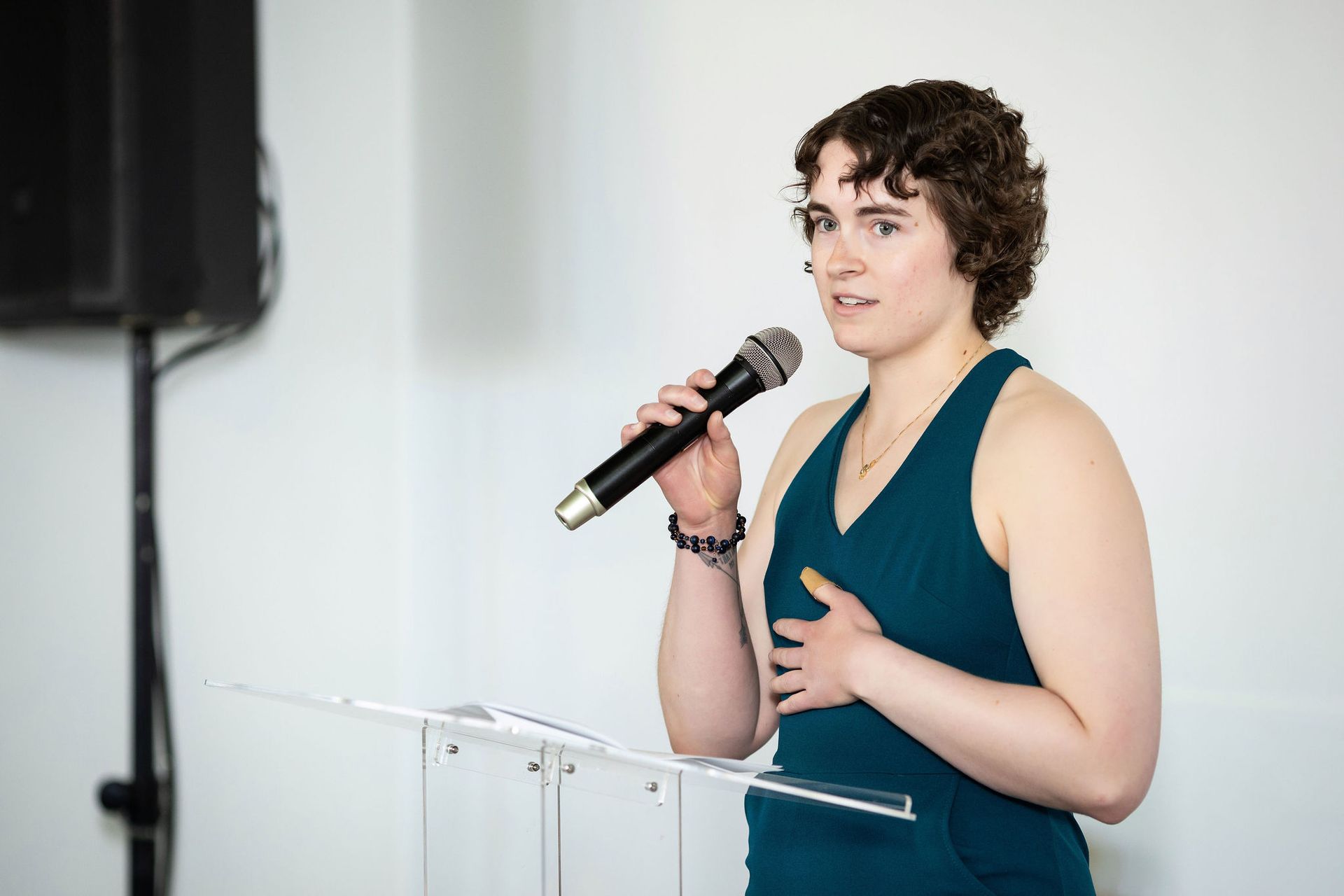
This time last year, I was feeling strong and healthy. Then my life changed with a breast cancer diagnosis. The months that followed challenged me in ways I never expected. I’m still healing, learning to slow down, and focusing on what matters most—my family, my strength, and hope for the road ahead.

 - Cindy
OUR PARTNERS


Meet the Trendsetters Fighting Breast Cancer

KNOWLEDGE IS POWER

What is breast cancer?

Breast cancer occurs when cells in the breast begin to grow abnormally. Not all breast changes are cancer - many, such as cysts and other conditions, are benign (non-cancerous).


Most breast cancers begin in the ducts, which carry milk to the nipple, or in the lobules, the glands that produce milk. Some cancers are detected early before they spread, while others become invasive and grow into surrounding breast tissue.


There are several types of breast cancer, including ductal carcinoma, lobular carcinoma, inflammatory breast cancer, Paget disease of the breast, and triple-negative breast cancer. Identifying the type of breast cancer helps guide treatment and care.

Understanding Risk Factors

Many factors can influence a person's risk of developing breast cancer. Because everyone has breast tissue, breast cancer can affect both women and men.


Hormones such as estrogen  and progesterone play an important role in breast health, and some breast cancers use these hormones to grow.


KEY BREAST CANCER RISK FACTORS


  • Personal and Family History

A previous breast cancer diagnosis or a family history of the disease may increase risk. Family history refers to close blood relatives who have been diagnosed with breast cancer.


What are dense breasts?

How do I know if I have dense breasts?


  • Alcohol and Smoking

Alcohol consumption increases the risk of breast cancer, and the risk rises with the amount consumed. Smoking and exposure to second-hand smoke may also increase breast cancer risk.


Sign & Symptoms
#knowyournormal

Knowing what is normal for your body can help you recognize changes that should be discussed with a healthcare provider.


 Breast cancer symptoms can vary and may include:

  • A new lump in the breast or underarm
  • Changes in breast size or shape
  • Skin dimpling or puckering
  • Redness, swelling, or thickening of the breast
  • Nipple changes or discharge
  • Persistent breast or nipple pain


Most breast changes are not cancer, but any unusual or ongoing change should be evaluated by a healthcare professional.

Click here to learn more about #knowyournormal